
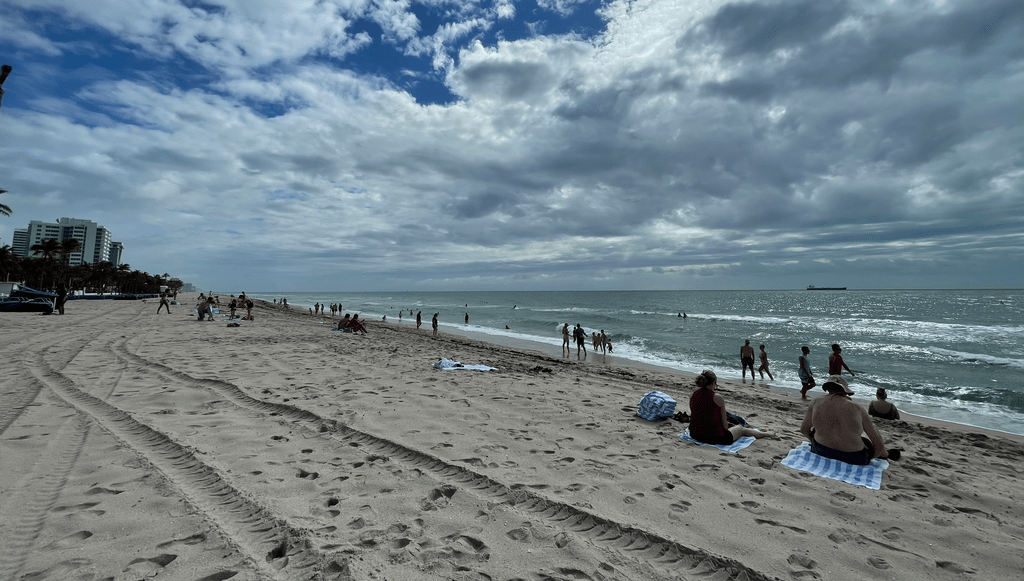
CBD-infused sunscreen has become a go-to for those who want to combine skincare and sun protection with the soothing benefits of cannabidiol. Whether you’re spending the day at the beach, hiking through nature, or simply enjoying time outdoors, CBD sunscreen promises hydration, calmness, and UV defense in one formula. But as with any trending product, mistakes can happen—especially when it comes to shopping for and using CBD sunscreen effectively.
One of the biggest errors consumers make is confusing hemp seed oil with actual CBD. While hemp seed oil is excellent for moisturizing, it doesn’t contain cannabinoids like cannabidiol, which may help soothe inflammation and irritation. If the label doesn’t list “CBD,” “cannabidiol,” or “hemp extract,” it’s likely just hemp oil. Reading labels closely ensures you’re getting the benefits you’re paying for.
Another common mistake is forgetting that SPF still matters. CBD on its own doesn’t protect against UV rays, so make sure the sunscreen lists SPF 30 or higher and offers broad-spectrum protection. Many buyers grab a “CBD sunscreen,” assuming the CBD component adds sun-blocking power, but it doesn’t. Think of CBD as a skin-calming bonus, not a substitute for actual UV defense.
Ingredient transparency is also key. Some CBD sunscreens use unnecessary additives like alcohols, synthetic fragrances, or parabens that can irritate sun-exposed skin. Look for clean, natural ingredients such as aloe vera, zinc oxide, titanium dioxide, and coconut oil. Reputable brands will also provide third-party lab reports verifying their CBD content. If that information isn’t available, it’s best to skip it.
Another big misstep is applying too little, too late. Sunscreen—CBD or not—needs time to absorb before UV exposure. It should be applied at least 15 to 20 minutes before going outside, using about a shot glass full for your entire body. Reapply every two hours, or immediately after swimming, sweating, or towel drying. Consistency is what keeps your skin safe from sunburn and long-term damage.
High-exposure areas like ears, necks, hands, and the tops of feet are often missed. These are some of the first spots to burn, yet they’re easy to overlook. Keeping a travel-sized CBD sunscreen in your bag can help with quick touch-ups throughout the day. Remember, prevention always beats aftercare—even when CBD can help soothe sunburn afterward.
It’s also worth remembering that “natural” doesn’t always mean irritation-free. Essential oils such as lavender, peppermint, or citrus can make skin more photosensitive, especially under direct sunlight. If you’re trying a new product, test a small patch first before using it all over.
Storage is another easily overlooked factor. Leaving your CBD sunscreen in a hot car or under direct sun can break down both the SPF and CBD, making it less effective. Store it in a cool, shaded place and check expiration dates before each new season.
Finally, many users expect instant results. While CBD can help calm and nourish the skin, its benefits are cumulative. Regular use promotes smoother, balanced, and less irritated skin over time. Be patient, and make it part of your daily skincare routine rather than a one-time summer experiment.
CBD sunscreen can be an incredible addition to your wellness and skincare routine when used correctly. The key is understanding that CBD complements—not replaces—traditional sun protection. By reading labels carefully, applying generously, reapplying often, and choosing high-quality products, you’ll keep your skin protected, hydrated, and glowing all summer long.